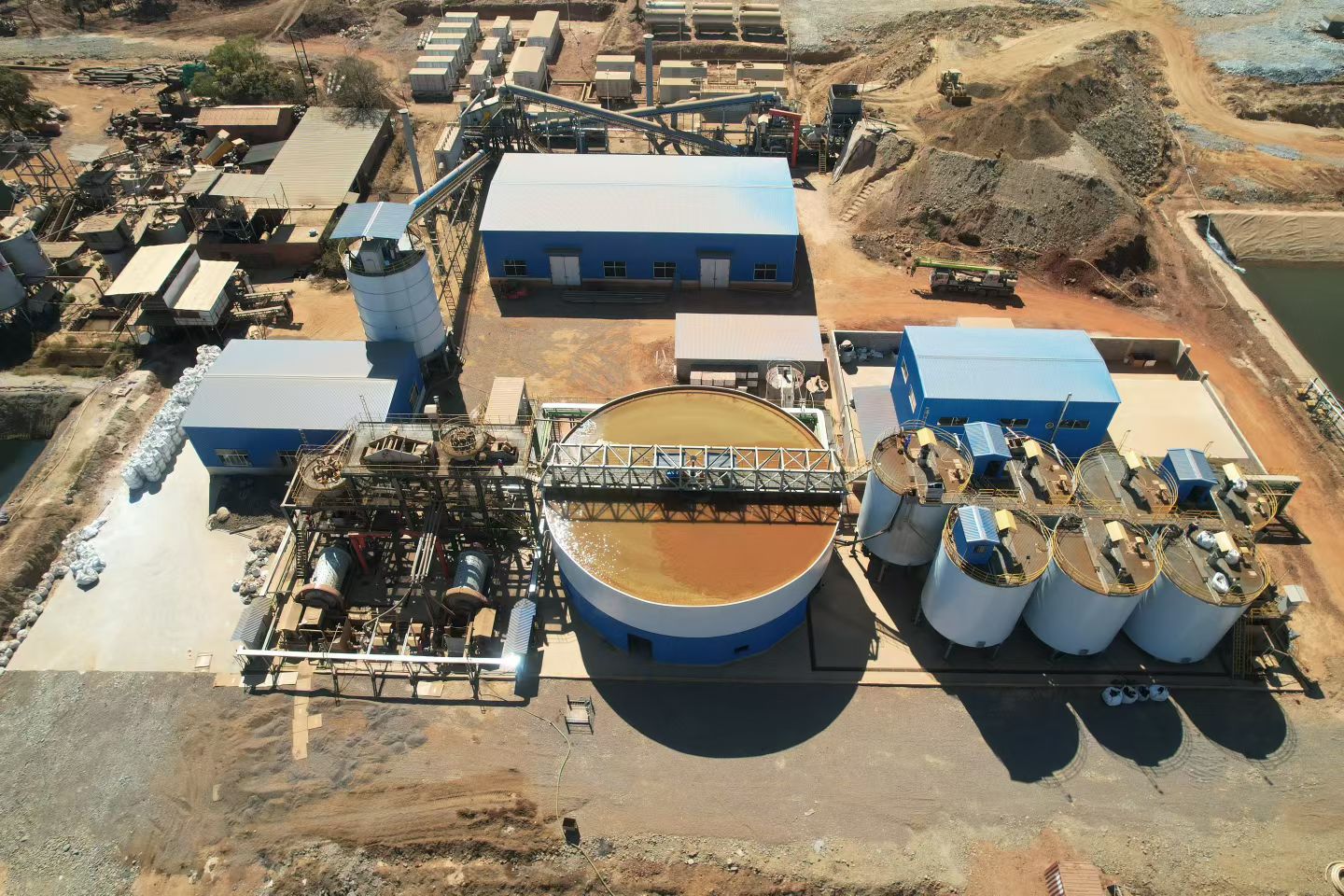
The flotation method cleverly utilizes the differences in surface properties between phosphate minerals and gangue, and achieves efficient separation through bubble transport, which is the core technology for improving the utilization rate of low-grade phosphate ore. From crushing and grinding to flotation separation, and then to product processing, this system engineering is innovating towards high efficiency, environmental protection, and intelligence, providing key support for the sustainable development of phosphorus resources.
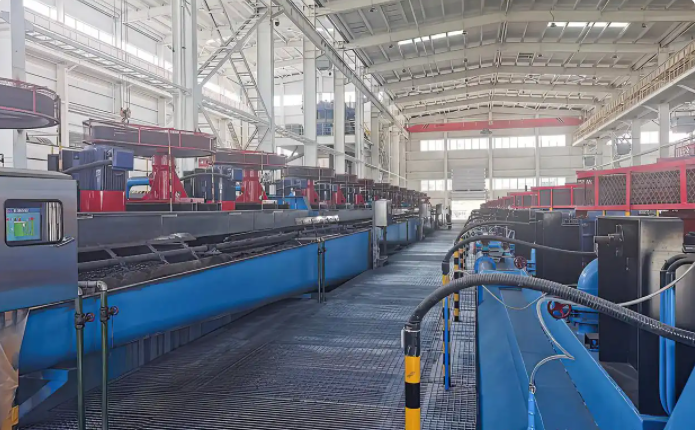
The vast majority of phosphate ores in nature, especially sedimentary phosphate rocks, belong to medium to low grade ores, containing a large amount of vein minerals such as carbonates (such as dolomite and calcite) and silicates (such as quartz and feldspar), which cannot be directly utilized. The flotation method, as an efficient separation technique based on the differences in physical and chemical properties of mineral surfaces, has become the core method for enriching phosphate ore, improving its P ₂ O ₅ grade, and reducing impurity content. This article will systematically explain the process flow of phosphate ore flotation, including basic principles, preliminary preparation, core flotation process, product processing, and key influencing factors.
1、 Basic principle of phosphate ore flotation process: separation art of hydrophobicity and hydrophilicity
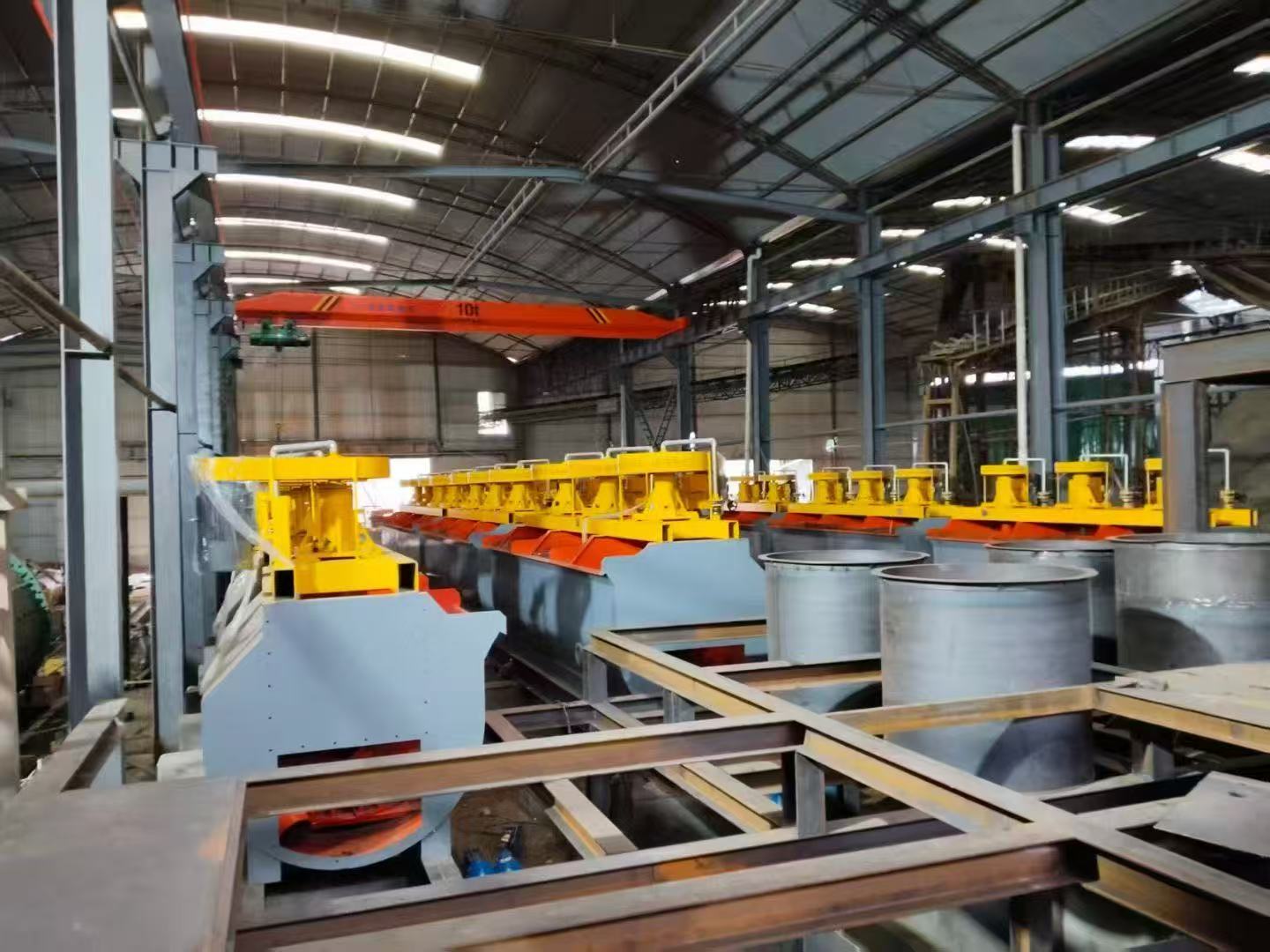
The essence of the phosphate ore flotation process is to utilize the differences in surface physical and chemical properties between phosphate minerals (mainly apatite) and gangue minerals (such as dolomite, quartz, etc.), and to expand these differences by adding specific flotation agents, thereby achieving selective separation at the gas liquid solid three-phase interface.
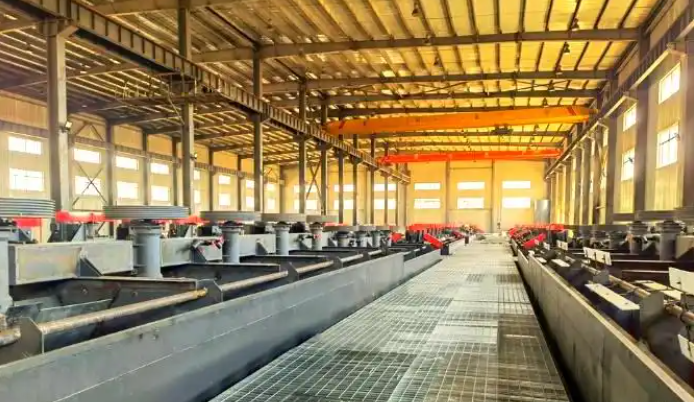
Specifically, the flotation process is carried out in a flotation machine, where air is drawn in through impeller stirring, generating a large amount of bubbles. In the medicament treated pulp, the surface of the target mineral is hydrophobic (hydrophobic), which can attach to the bubbles, and float up to the pulp surface with the bubbles to form a foam layer, which is scraped out into concentrate; The surface of gangue minerals maintains hydrophilicity and cannot attach bubbles, so they remain in the slurry and are ultimately discharged as tailings. This process of "bubble transportation" cleverly achieves the separation of valuable minerals from useless gangue.
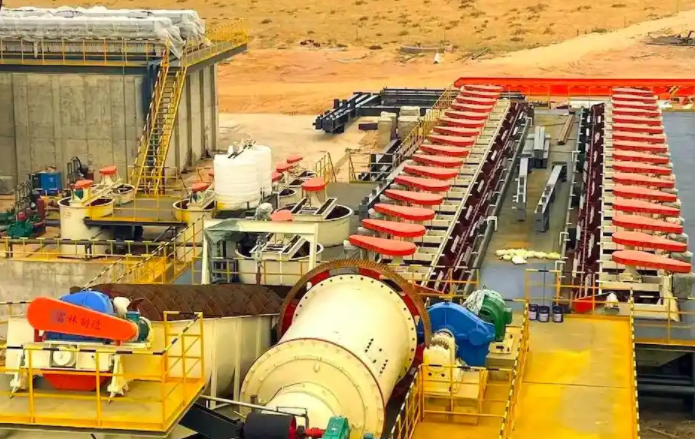
2、 Overview of Phosphate Ore Flotation Process: A Complex System Engineering
The complete process of phosphate ore flotation is a continuous system engineering, mainly including the following four stages:
Crushing and grinding: providing suitable raw materials for flotation.
Flotation separation: the core of the process, achieving the enrichment of phosphate minerals.
Product processing: Dehydration and precipitation water reuse of flotation products.
Wastewater and tailings treatment: achieving environmental protection and sustainable development.
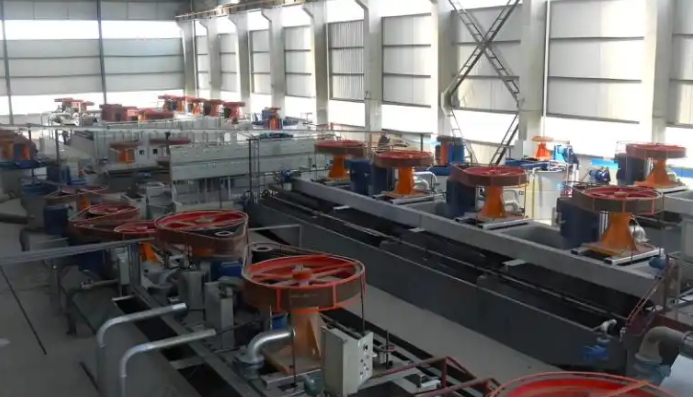
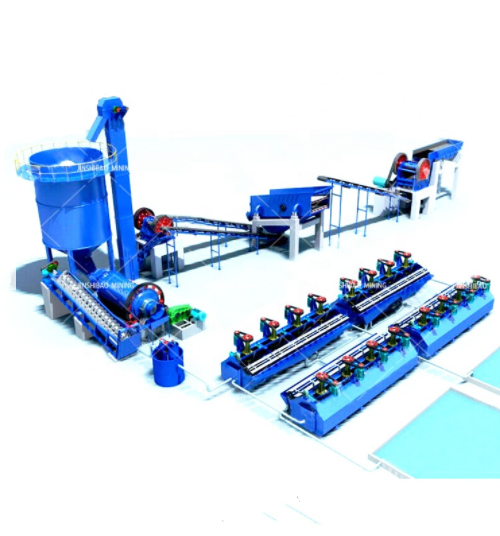
The simplified flowchart of the phosphate ore flotation process is as follows:
Raw ore → [crushing] (coarse crushing, medium crushing, fine crushing) → [grinding] (ball mill) → [grading] (hydrocyclone) → qualified slurry
Qualified slurry → [slurry adjustment] (adding flotation reagents) → [flotation operation] (coarse selection, fine selection, sweeping selection) → phosphate concentrate&tailings
Phosphate concentrate → [concentration] (thickener) → [filtration] (vacuum filter) → concentrate powder (final product)
Tailings → Tailings pond (storage, sedimentation, water recycling)
3、 Detailed explanation of each process in the flotation process of phosphate ore
(1) Preparation of Phosphate Ore Flotation Process: Crushing and Grinding
'Dissociation' is a prerequisite for flotation. Only by dissociating phosphate minerals from gangue minerals can flotation reagents have targeted effects. Therefore, the raw ore must be crushed and finely ground to the appropriate particle size.
Crushing: The use of a "three-stage closed circuit" process is a common choice.
Coarse crushing: The raw ore is fed into a jaw crusher by a feeding machine and crushed to below 200-300mm.
Intermediate crushing: Coarse crushed products are crushed to below 50-70mm by a cone crusher.
Fine crushing: The medium crushed product enters the cone crusher (or high-pressure roller mill) again and is crushed to below 10-15mm.
Screening: Fine products are subjected to closed-loop inspection through a vibrating screen. Qualified particles enter the next stage, while unqualified ones are returned to the fine crusher for further crushing. This process aims to achieve "more crushing and less grinding" and reduce energy consumption.
Grinding and grading: This is the most energy intensive process, directly related to flotation indicators.
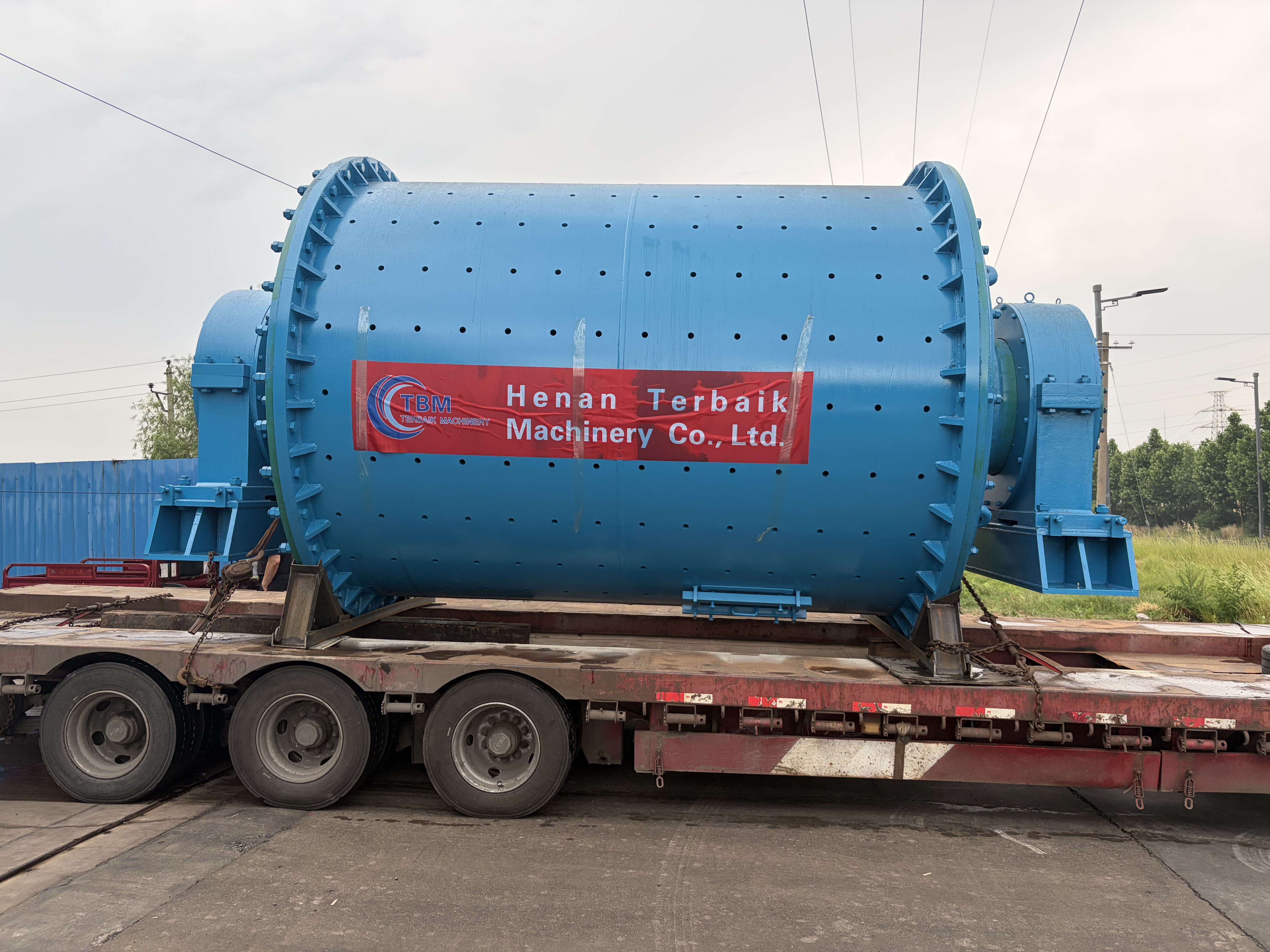
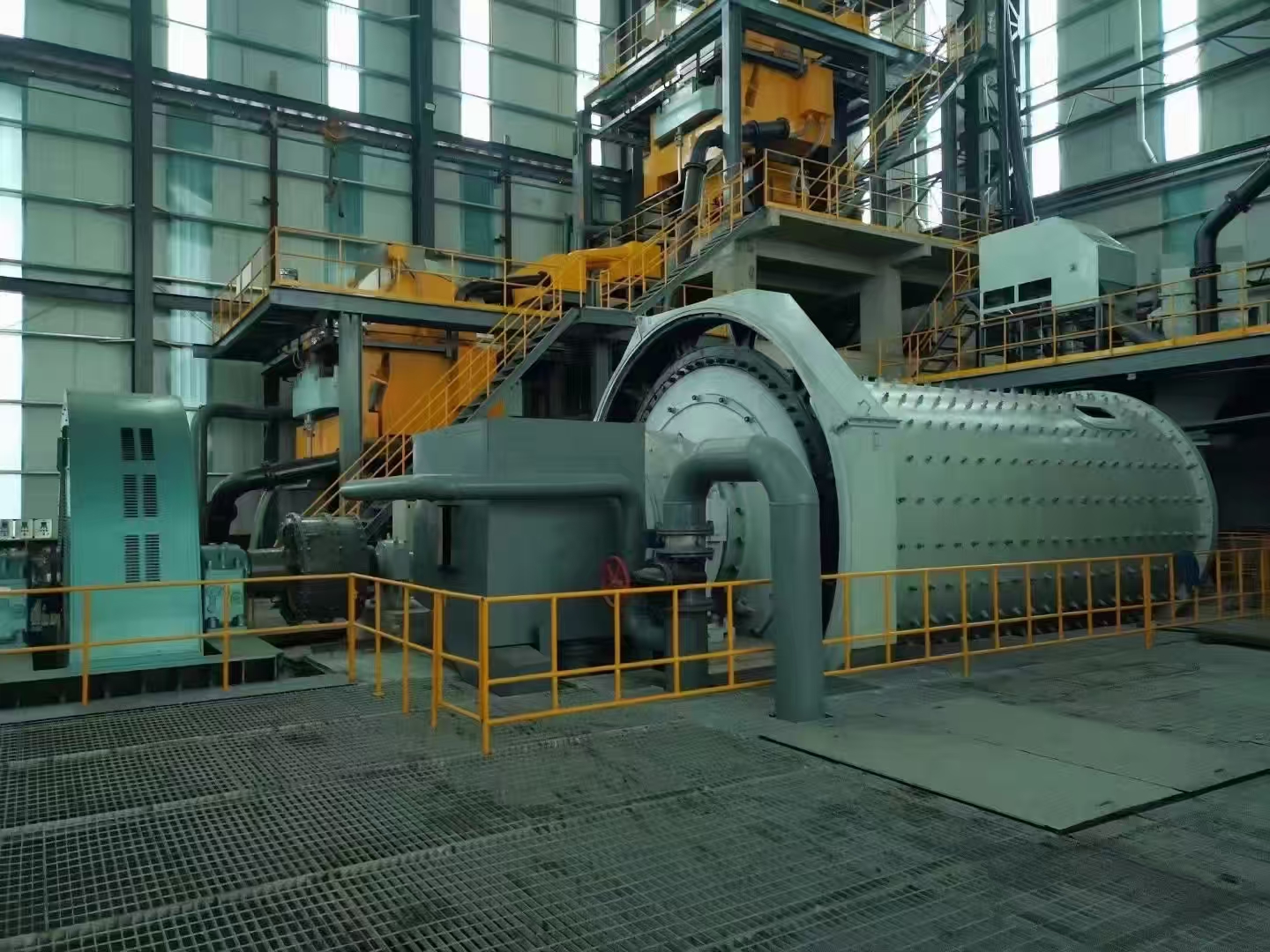
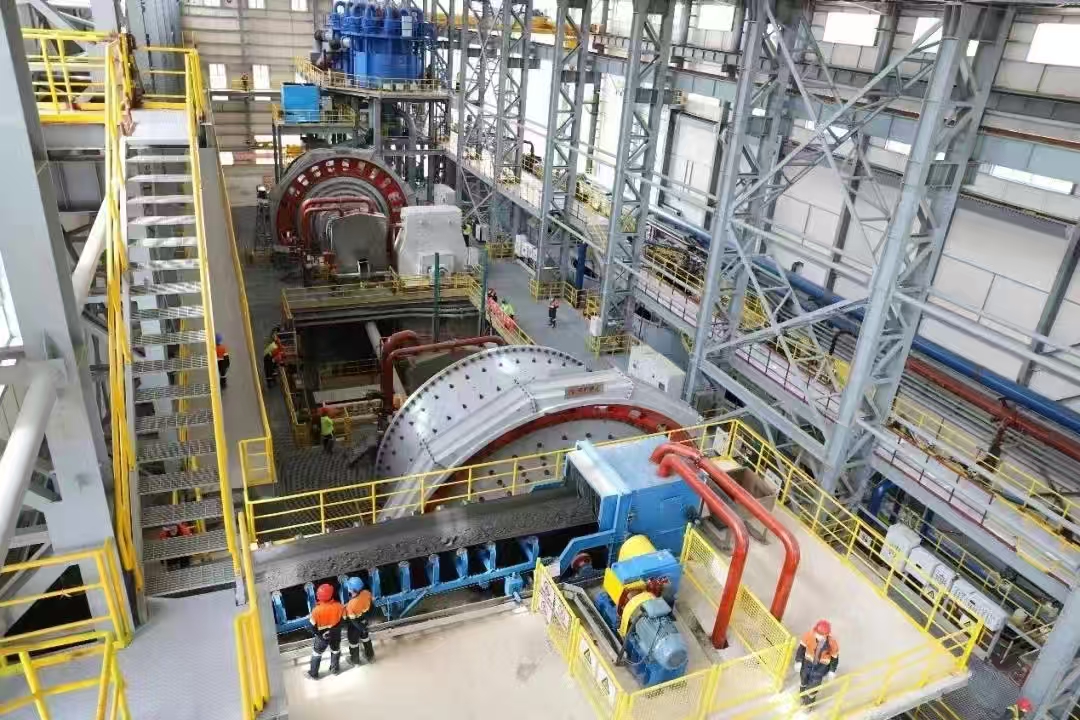
Grinding: The crushed ore enters a ball mill (or rod mill) and is ground into a slurry by the impact and grinding effect of steel balls. The goal of grinding is to dissociate phosphate minerals as much as possible, but without over grinding, in order to avoid mud formation and affect flotation.
Classification: Grinding products and hydrocyclones form a closed-loop circulation. The cyclone separates the slurry into overflow (fine qualified products) and bottom flow (coarse particles returned to the ball mill for further grinding). The qualified overflow slurry particle size usually requires -200 mesh accounting for 70% -85%, depending on the ore's embedding characteristics.
(2) Core link of phosphate ore flotation process: flotation separation process
According to the types of phosphate rock (siliceous, calcareous, mixed siliceous calcareous) and impurity types, flotation processes are mainly divided into positive flotation, reverse flotation, and double reverse flotation.
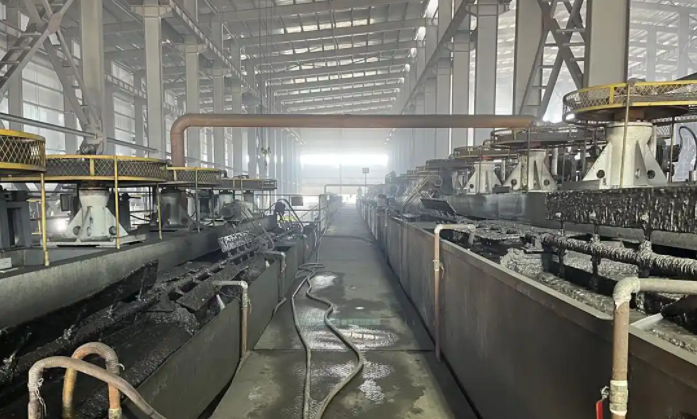
1. Positive flotation (direct flotation of phosphate minerals)
This method is applicable to siliceous phosphate ores where the main gangue is silicate (such as quartz). The principle is to suppress silicate gangue and capture phosphate minerals.
Pharmaceutical system:
Inhibitors: Water glass (sodium silicate), used to inhibit quartz, silicate and other vein stones, and disperse mineral mud.
Collectors: Fatty acid anionic collectors, such as oxidized paraffin soap, tar oil, etc. They can selectively adsorb on the surface of apatite under alkaline conditions (pH=9-10), making it hydrophobic.
Adjuster: Sodium carbonate (Na ₂ CO ∝), used to adjust the pH value of the slurry to alkaline and eliminate the harmful effects of inevitable ions such as Ca ² ⁺ and Mg ² ⁺.
Process: Mix and adjust the slurry with adjusting agent and inhibitor, then add collector and enter the flotation machine. Phosphorus minerals are collected and floated to become foam products (concentrates), while siliceous gangue is left in the tank as tailings. Concentrate usually requires 1-3 rounds of selection to improve grade, while sweep selection is used to recover non floating phosphate minerals from tailings and increase recovery rate.
2. Reverse flotation
This method is applicable to calcium phosphate mines where the main gangue is carbonate (such as dolomite and calcite). The principle is to suppress phosphate minerals and first surface carbonate gangue.
Phosphate mineral inhibitor: phosphoric acid, sulfuric acid, or phosphate forms a hydrophilic film on the surface of phosphate minerals, inhibiting them.
Carbonate collector: Fatty acid collector can effectively capture dolomite and calcite under weakly acidic conditions (pH=4-5).
Process: First, add inhibitors to inhibit apatite, and then add collectors to flotation carbonate gangue. The emerging foam is carbonate tailings, and the product in the tank is phosphorus concentrate.
3. Double reverse flotation (positive negative flotation or negative positive flotation)
This is the most efficient process for handling the most difficult to select silicon calcium mixed phosphate ore, and it has now become mainstream. The typical process of "reverse flotation decarbonization positive flotation phosphorus selection" is as follows:
Step 1: Reverse flotation to remove carbonates. Under acidic conditions (pH ≈ 5), efficient carbonate collectors (such as novel amphoteric collectors) are used to float dolomite and calcite. At this point, both phosphate minerals and silicate minerals are suppressed in the tank.
Step 2: Recovery of phosphate minerals through positive flotation. Adjust the product in the first step of the tank (which has removed most of the carbonates) to alkaline (pH ≈ 9-10), add water glass to suppress silicates, and then add fatty acid collectors to flotation phosphate minerals, finally obtaining phosphate concentrate. The silicates are discharged as the final tailings.
Advantages: This process realizes the step-by-step removal of carbonates and silicates, solving the problem of difficult treatment of mixed ores by single positive flotation or reverse flotation. It can obtain high-quality phosphate concentrate with high grade and low impurities (significantly reduced MgO content).
Key factors affecting the flotation process of phosphate ore
Mineral properties: Mineral composition, embedded particle size, and symbiotic relationships are the fundamental factors determining the process flow and reagent system.
Grinding fineness: directly affects the degree of monomer dissociation. Insufficient fineness, abundant connected bodies, low grade and recovery rate; Excessive grinding will produce mineral slurry, consume a large amount of reagents, and deteriorate the flotation environment.
Slurry concentration and pH value: Concentration affects the efficacy of reagents and the process of bubble mineralization. The pH value is the decisive condition for the effectiveness of drugs and must be precisely controlled.
Pharmaceutical system: including types, dosages, addition locations, and sequences of pharmaceuticals. A reasonable reagent system is the soul of successful flotation.
Flotation equipment and operation: The operating factors such as the aeration rate, stirring intensity, and liquid level stability of the flotation machine directly affect the collision probability and adhesion efficiency between bubbles and mineral particles.