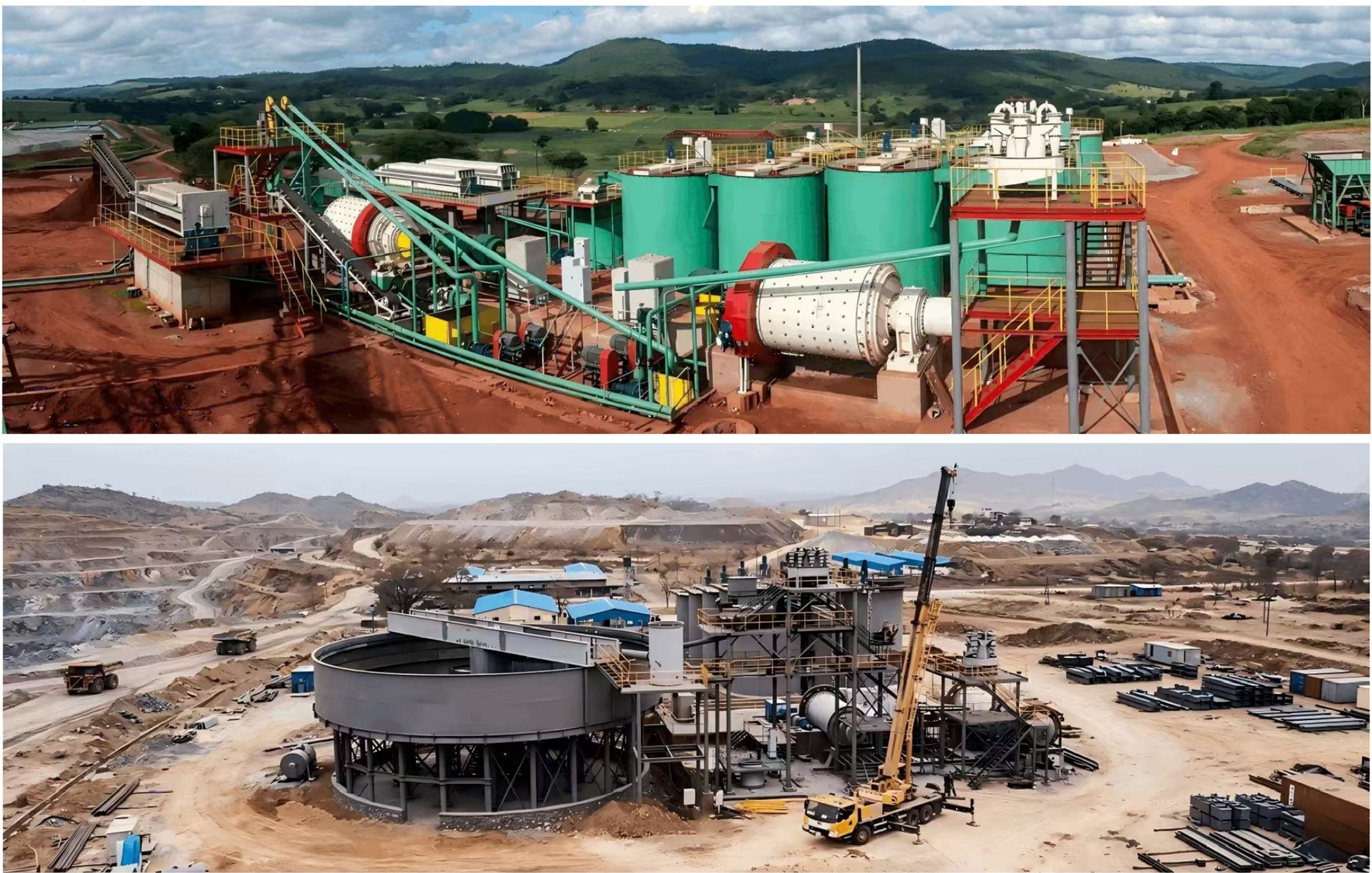
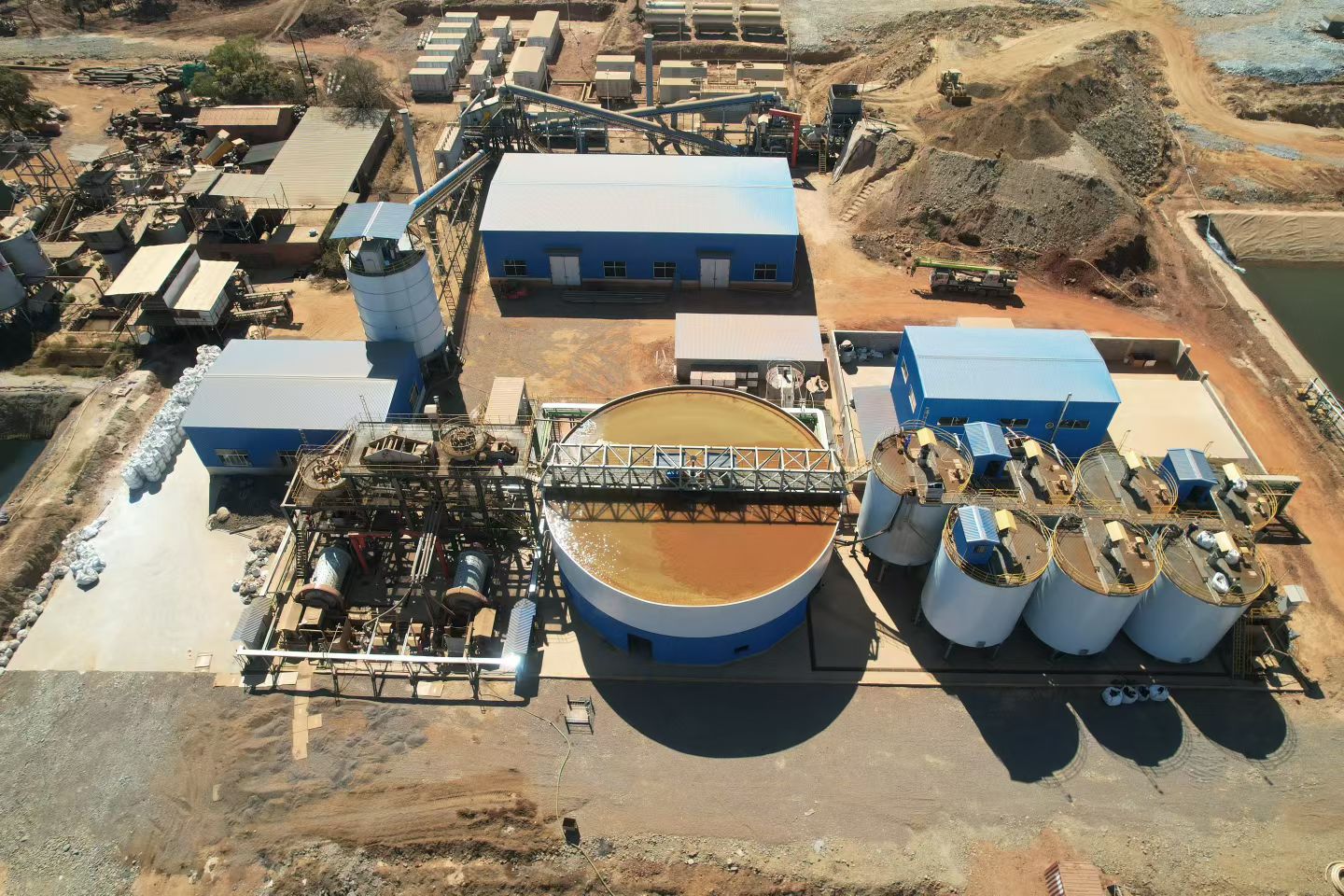
Gold, as a global hard currency, is the core of determining recovery rates and profits in the mining process, from buried minerals to sparkling precious metals. Today, we will break down four mainstream gold ore beneficiation technologies - heap leaching, gravity separation, flotation, and carbon slurry - and explain their principles, advantages, and usage scenarios to help you quickly understand the core logic of gold ore beneficiation.
1、 Heap leaching method: a low-cost beneficiation method suitable for low-grade gold mines
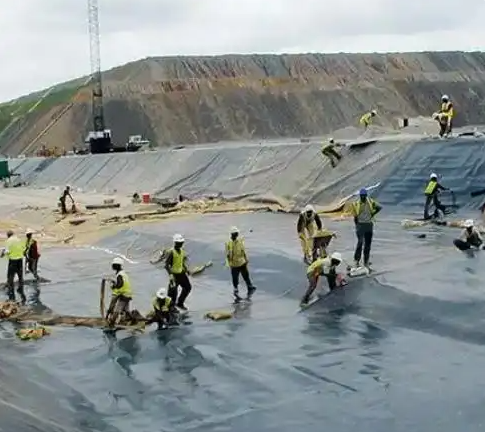
The heap leaching method can be regarded as the king of cost-effectiveness in gold ore beneficiation, with the core logic of slowly extracting gold using chemical reagents. Firstly, the gold ore is crushed into uniform particles and stacked in a site with an anti-seepage layer. Then, leaching agents are sprayed to allow the reagents to penetrate the gaps of the ore and undergo chemical reactions with the gold, converting solid gold into soluble gold ions. Finally, gold is extracted from the leaching solution through activated carbon adsorption or zinc powder displacement.
The biggest advantage of this method is low cost, simple process, no need for complex equipment, suitable for processing low-grade gold ore or waste slag, and can fully utilize resources. However, the disadvantages of heap leaching method are also obvious, such as long leaching time, moderate gold recovery rate, and certain environmental requirements. It is necessary to do a good job in reagent recovery and anti-seepage treatment.
2、 Re selection method: Traditional and efficient, gold mining relies on the weight difference of ores
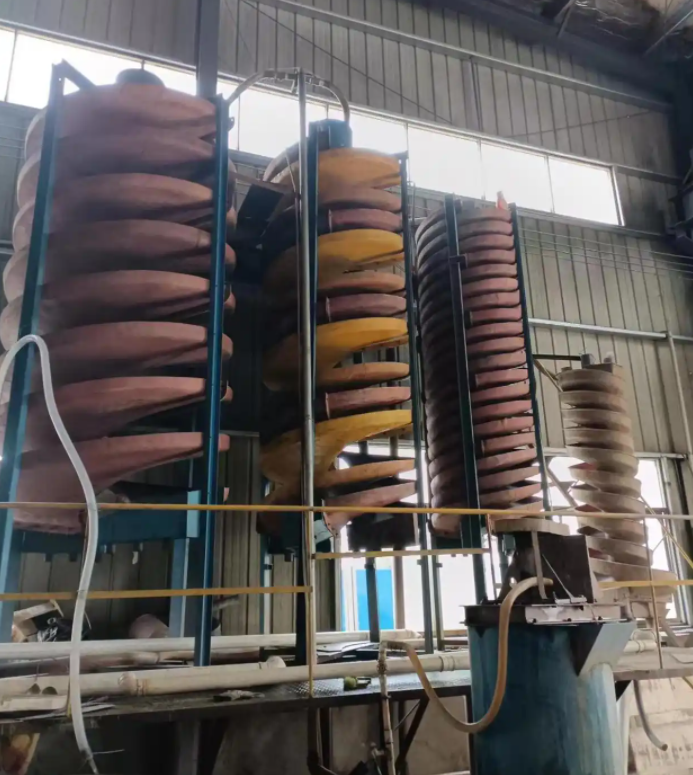
The reselection method is one of the oldest mineral processing techniques, which relies on the density difference between gold and other minerals to achieve separation - gold has a density of about 19.3g/cm ³, much higher than vein minerals such as quartz and feldspar (2.6-2.8g/cm ³). Through the impact of water flow and centrifugal force, the gold is precipitated and the vein minerals are carried away.
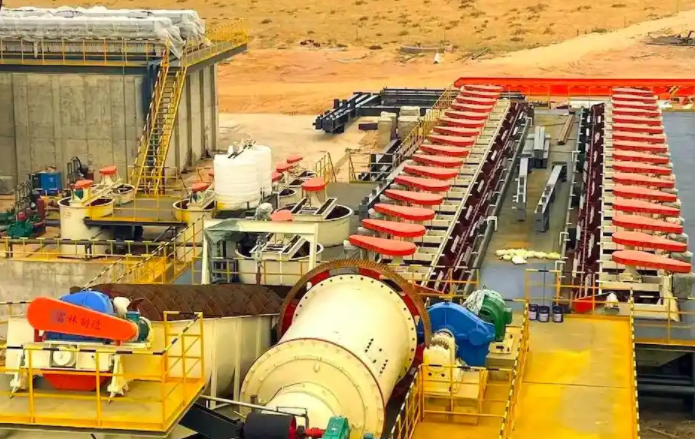
Common equipment includes jigs, centrifuges, shakers, spiral chutes, etc. The process is to first crush and grind the ore into a slurry, then pass it into a gravity separation equipment, screen it using water flow or centrifugal force, and finally collect the gold concentrate at the bottom. This method is environmentally friendly, pollution-free, and cost-effective, suitable for processing coarse gold particles or ores with high gold content. The gold recovery rate can reach 80% -95%. However, the recovery effect of fine gold particles is poor, and the reselection method usually needs to be used in combination with other methods.
3、 Flotation method: Grasp large and small to improve purity, suitable for fine gold particles
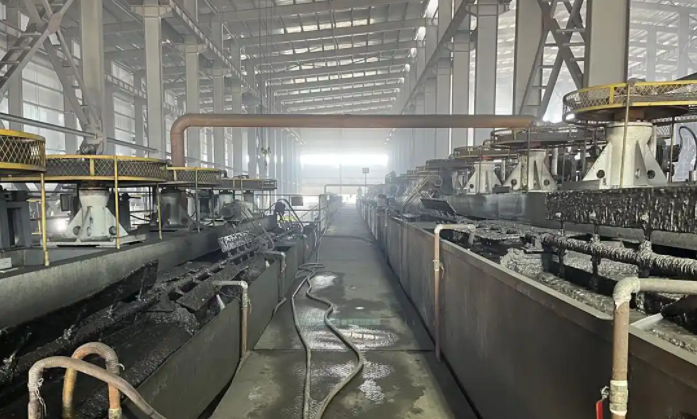
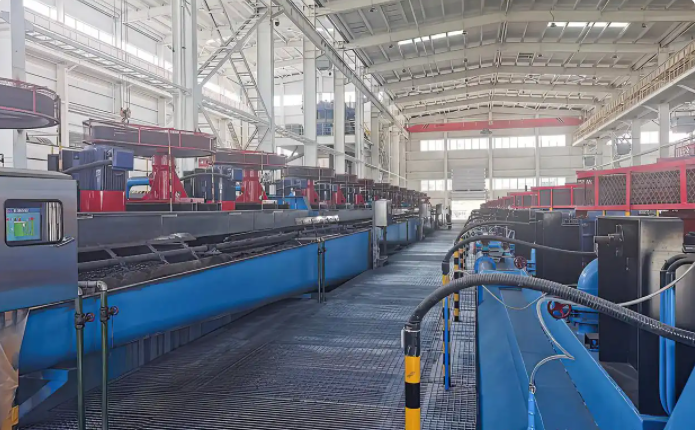
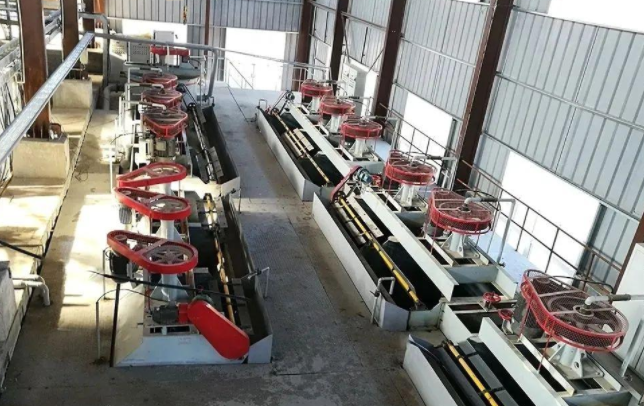
The core of the flotation method is to use surface tension separation to attach bubbles to the surface of gold particles by adding flotation reagents. With the bubbles, foam products are formed, and gangue minerals are left in the pulp. This method is specifically designed to solve the problem of recovering fine-grained gold and is currently the mainstream technology for processing disseminated fine-grained gold ore.
Process flow: ore crushing and grinding to fine powder (usually -200 mesh accounts for more than 80%), adding collector and foaming agent, stirring and aeration in the flotation machine, gold particles attached to bubbles float up, scraping out foam is the gold concentrate, which can be further purified later. The advantage is high recovery efficiency (fine gold recovery rate can reach over 90%), which can enrich low-grade gold ore and improve the grade of gold concentrate; The disadvantage is that the cost of reagents is high, flotation wastewater needs to be treated, and the process is relatively complex.
4、 Carbon slurry method: efficient recovery of fine-grained gold through leaching and adsorption steps
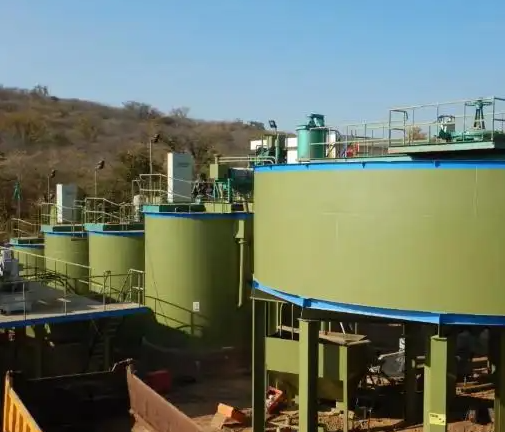
The carbon slurry method is an efficient technology developed on the basis of heap leaching, with the core of simultaneous leaching and adsorption, without the need for separate separation of slurry and leachate, resulting in a more compact process. Process steps: Grind the ore into a slurry, introduce cyanide leaching agent, and add activated carbon particles. After leaching, the gold is immediately adsorbed on the surface of the activated carbon, and then extracted from the activated carbon through steps such as desorption and electrolysis.
The advantages of this method are high recovery rate, suitable for processing fine or high-grade gold ore, short leaching time, small equipment footprint, and high degree of automation. But the disadvantage is that the cost is high and the requirement for ore grinding fineness is high. Choosing environmentally friendly gold extractants can reduce environmental risks.