Equipment Configuration Plan for Lead-Zinc Ore Beneficiation
Raw materials:More than 120 kinds of ore materials such as limestone, granite, basalt, Riverstone, and rocks.
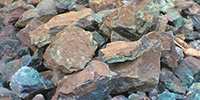
Raw materials:More than 120 kinds of ore materials such as limestone, granite, basalt, Riverstone, and rocks.
1、 Classification and Selectivity Analysis of Lead Zinc Ore
According to the oxidation rate, lead-zinc ores can be divided into three categories: sulfide lead-zinc ores, oxide lead-zinc ores, and mixed lead-zinc ores, with significant differences in mineral processing routes for different ores.
The first type is lead zinc sulfide ore, with an oxidation rate of less than 10%, which is currently the most mature and widely used ore type in mineral processing technology. The floatability of valuable mineral galena is superior to that of sphalerite, and it is the basis of the preferred flotation process. However, after being activated by copper ions, sphalerite often becomes more floatable than galena, making it difficult to separate lead and zinc. If the ore contains a large amount of pyrite, it will also consume flotation reagents, interfere with lead-zinc separation, and belong to high sulfur complex lead-zinc ores. During beneficiation, sulfur suppression must be prioritized. Ideal beneficiation indicators for lead zinc sulfide ore: lead concentrate grade of 55% -60%, lead recovery rate of 85% -92%; The grade of zinc concentrate is 50% -55%, and the zinc recovery rate is 86% -93%.
The second type is mixed lead-zinc ore with an oxidation rate of 10% -30%, where sulfide ore and oxide ore coexist. This type of ore is the most difficult to process. Lead zinc sulfide is suitable for flotation, while lead zinc oxide minerals are prone to mud formation when in contact with water. The selectivity of flotation reagents is poor, and the recovery rate of sulfide yellow medicine flotation process decreases significantly. Often, a large amount of lead and zinc metals are lost in tailings. In production, a combined process of sulfide flotation and gravity separation is generally used to recover lead zinc oxide metal.
The third type is lead-zinc oxide, with an oxidation rate greater than 30%, mainly composed of minerals such as galena, sphalerite, and xenomorph. The ore is severely mudified, with high soluble salt content and high flotation costs. The recovery rate of traditional flotation is generally lower than 60%. High grade lead-zinc oxide ore can be treated with sulfide flotation; Low grade lead-zinc oxide ores are more commonly treated with acid leaching and ammonia leaching wet smelting processes, rather than conventional beneficiation flotation.
In addition to oxidation rate, the embedding particle size is another core indicator that determines the beneficiation process. Coarse grained embedded lead-zinc ore, with mineral crystal particle size greater than 0.2mm, does not require too fine grinding, and has low grinding flotation costs; Fine grained impregnated lead-zinc ore with a mineral particle size of 0.02-0.2mm must be finely ground to achieve individual mineral dissociation; Fine grained lead-zinc ore with a particle size less than 0.02mm is prone to mud cover and severe loss of fine-grained metals, making it a typical difficult ore dressing. Selective flocculation flotation or heavy flotation combined processes need to be added to reduce metal loss.
2、 Comparison of mainstream beneficiation process flow schemes
At present, there are three mainstream flotation processes for lead-zinc sulfide ore beneficiation in industry: preferential flotation process, equi floatable flotation process, and mixed flotation separation flotation process. The three schemes are applicable to different ore properties.
(1) Lead priority flotation process
Process sequence: Raw ore → Crushing → Grinding → Lead coarse selection → Lead fine selection → Lead sweep selection → Lead tailings re selection Zinc coarse selection → Zinc fine selection → Zinc sweep selection → Zinc tailings dewatering.
Process principle: During lead flotation, inhibitors are added to suppress sphalerite and pyrite, prioritizing the flotation of lead minerals. Lead flotation tailings reactivate sphalerite and flotation zinc concentrate. The advantages of this process are simple and clear process, high concentrate quality, low content of lead and zinc concentrates, and convenient on-site operation and management. It is suitable for sulfide lead-zinc ores with lead grades higher than zinc, coarse lead zinc embedding particle size, and simple ore properties. The disadvantage is that the amount of inhibitor used is large, and the activation of sphalerite after deep inhibition is difficult in the later stage, which can easily cause a loss in zinc recovery rate. The vast majority of small and medium-sized lead zinc beneficiation plants with a capacity of 100-500t/d prioritize the use of preferential flotation processes.
(2) Lead zinc mixed flotation separation process
Process route: Crushing and grinding of raw ore → Coarse selection of lead zinc mixture, flotation of lead zinc mixed concentrate → Grinding and de dressing of mixed concentrate → Lead zinc separation flotation (zinc suppression flotation) → Obtaining lead concentrate and zinc concentrate; The tailings in the tank can be selected for sulfur or directly discarded.
The advantage of this process is that it is suitable for low-grade lead-zinc ores. The total grade of lead and zinc in the raw ore is low, and the consumption of flotation reagents is high and the recovery rate is poor. Firstly, mixed flotation enriches lead and zinc into the mixed concentrate at once, discards most of the gangue tailings, reduces the amount of subsequent flotation treatment, and lowers production costs; Lead and zinc minerals can float up during the coarse grinding stage without excessive fine grinding, reducing grinding energy consumption. The disadvantages are very obvious: lead and zinc are carried together in the mixed concentrate, making it more difficult to separate lead and zinc in the future. It is easy for zinc to float up and enter the lead concentrate, resulting in excessive zinc impurities in the lead concentrate. This process is commonly used in large-scale complex high sulfur lead-zinc mines with a capacity of over 1000t/d.
3) Waiting for floatable flotation process
The waiting flotation process is a process that falls between preferential flotation and mixed flotation. Firstly, a portion of naturally floatable galena and a portion of easily floatable sphalerite are floated to obtain a lead-zinc mixed concentrate; The remaining difficult to float galena will be separately selected for lead, and the remaining tailings will be selected for zinc. This process takes into account the natural floating characteristics of two minerals, reduces the deep inhibition of sphalerite by strong inhibitors, and can increase the recovery rate of zinc metal by 2-5 percentage points. However, due to the large number of process steps and flotation tanks, production and debugging are difficult, making it suitable for polymetallic coexisting lead-zinc ores with similar floatability and extremely high sorting difficulty.
Typical combined process for beneficiation of lead-zinc oxide ore: crushing → grinding → reselection (shaking table, spiral chute) to recover coarse lead-zinc oxide particles in advance → sodium sulfide sulfide slurry adjustment → lead-zinc oxide flotation → concentrate dewatering; Tailings are then recovered by wet leaching to recover residual metals.
3、 Core flotation reagent system and sorting principle
The reagent system is the key to the success or failure of lead-zinc flotation separation, and the core logic of lead-zinc separation is: floating lead suppresses zinc, and then activates floating zinc.
Lead flotation stage (zinc suppression floating lead)
Collectors: Huangyao (butyl xanthate, ethyl sulfide nitrogen), ethyl sulfide nitrogen has stronger selectivity for galena and weaker ability to capture sphalerite. It is very suitable for lead zinc separation and can effectively reduce the zinc content of lead concentrate.
Inhibitors (inhibiting sphalerite and pyrite): Zinc sulfate+sodium sulfite combination inhibitor is currently the mainstream environmentally friendly formula; The traditional high pollution inhibitor cyanide has been completely phased out and banned from use in domestic mines. Zinc sulfate generates a zinc hydroxide film in alkaline slurry to cover the surface of sphalerite, reducing its floatability; Sodium sulfite plays a reducing role, eliminating the activation of sphalerite by copper ions in the slurry and preventing sphalerite from floating up.
PH adjuster: Lime adjusts the pH of the slurry to a weakly alkaline environment of 8.5-9.5, which is beneficial for the flotation of galena and can also inhibit pyrite.
Zinc flotation stage (activated sphalerite)
Lead flotation tailings enter zinc flotation operations, at which point sphalerite has been deeply inhibited by zinc sulfate and copper sulfate must be added as an activator. Copper ions adsorb onto the surface of sphalerite, greatly enhancing its floatability; Use Ding Huang medicine as the collector; The inhibitor lime continues to inhibit residual pyrite, and the pH of the slurry is controlled at 10-11.
Mineral mud adjustment agent
Lead zinc ores with high content of fine mud require the addition of water glass and CMC carboxymethyl cellulose as gangue inhibitors to suppress the upward movement of clay mud, reduce the pollution of ore mud on concentrate, and improve concentrate grade.
The order of drug addition: adjusting agent → inhibitor → activator → collector → foaming agent (2 # oil). It is strictly prohibited to reverse the order during production, otherwise the separation effect will be completely ineffective.
4、 Equipment Configuration Plan for Lead Zinc Mineral Processing Production Line
A complete lead-zinc flotation production line is divided into crushing section, grinding and grading section, flotation sorting section, concentrate tailings dewatering section, and tailings pond conveying system.
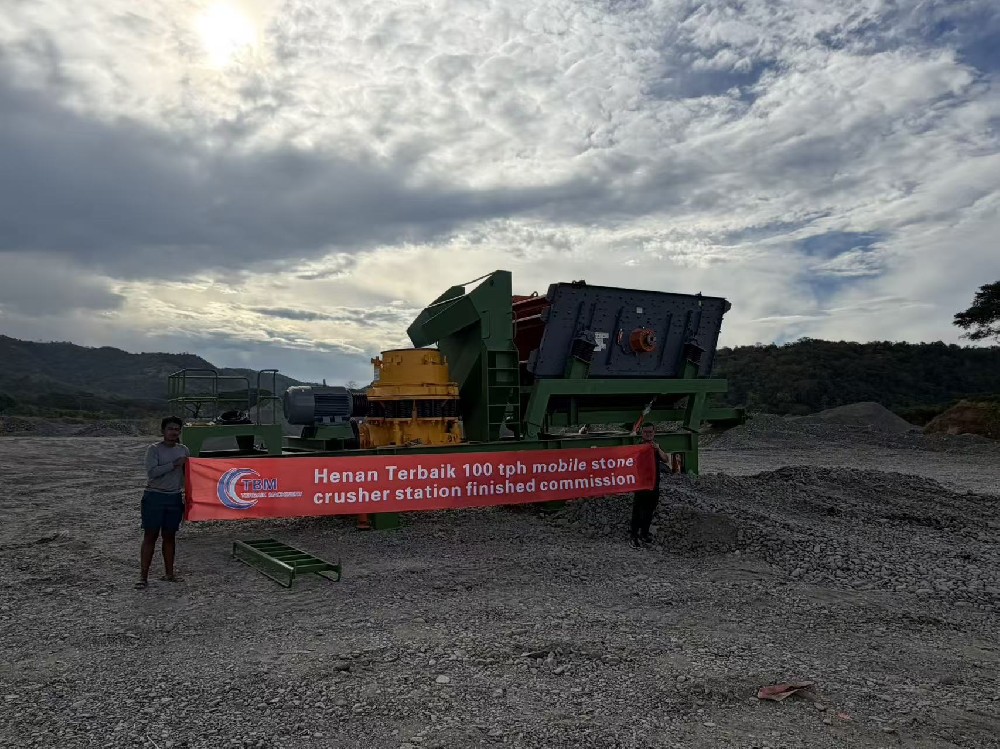
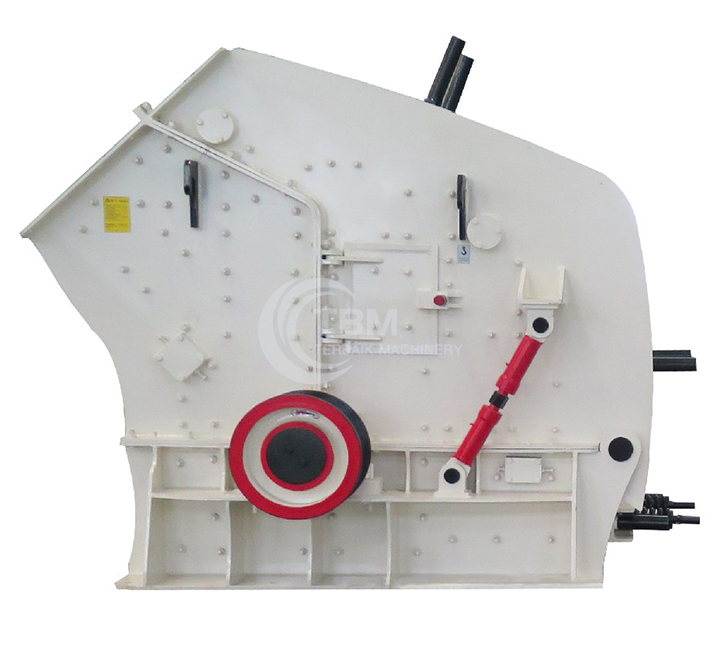
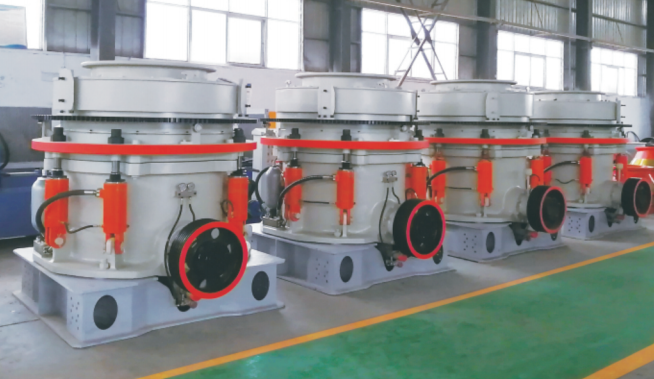
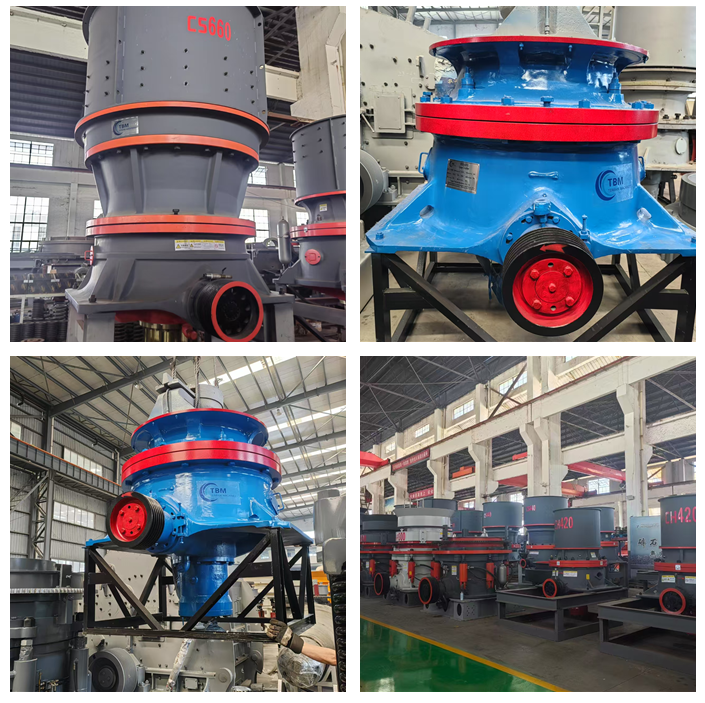
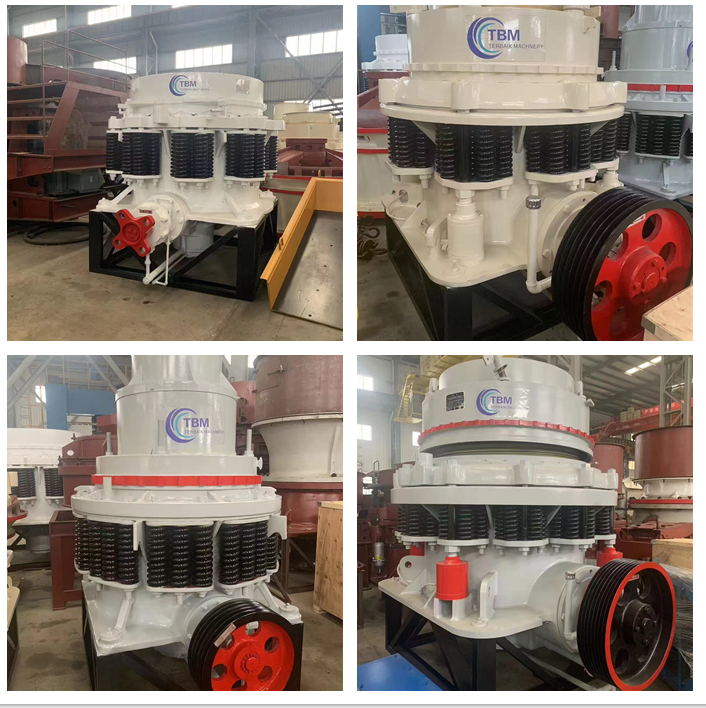
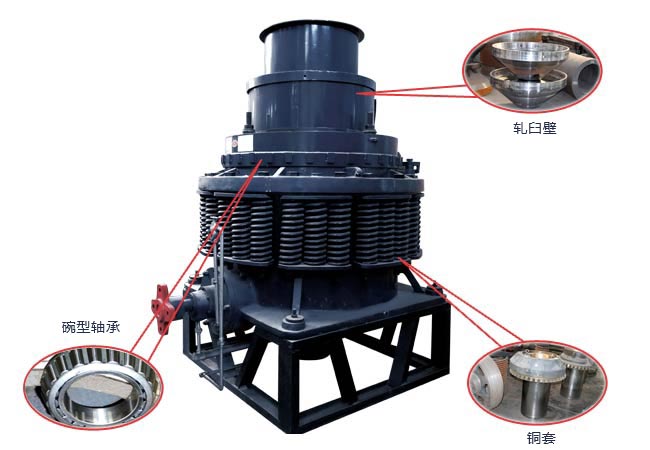
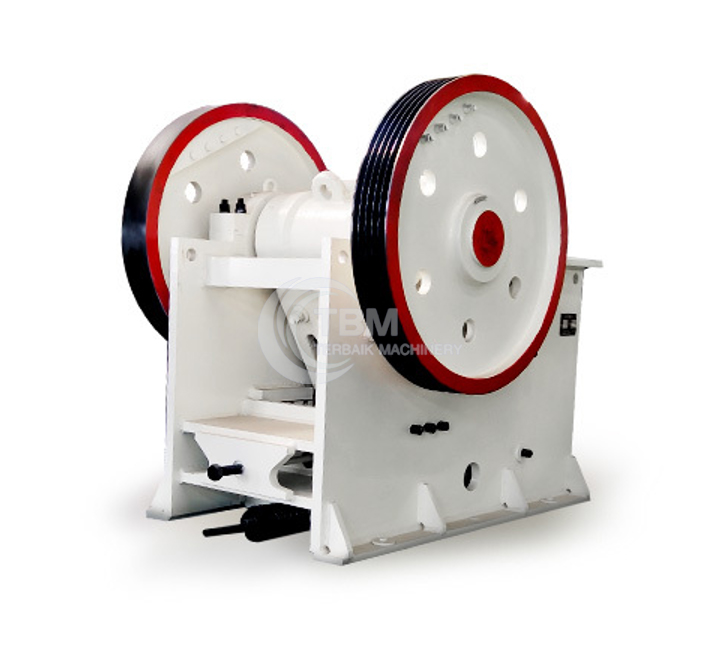
Crushing section: Adopting two-stage to three-stage closed-loop crushing. Jaw crusher for coarse crushing, cone crusher for fine crushing, vibrating screen for closed-loop screening; Crush the raw ore to 12-15mm and send it to the grinding bin. Large scale beneficiation plants can choose mobile crushing stations suitable for open-pit mines.
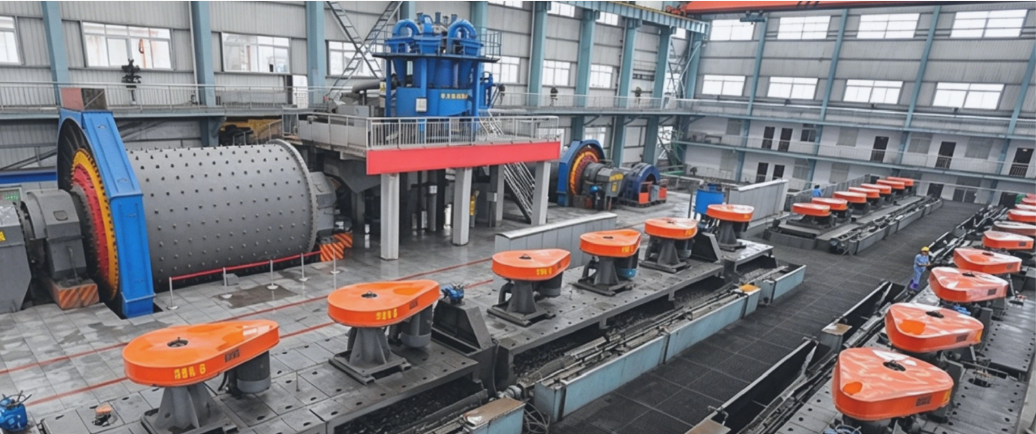
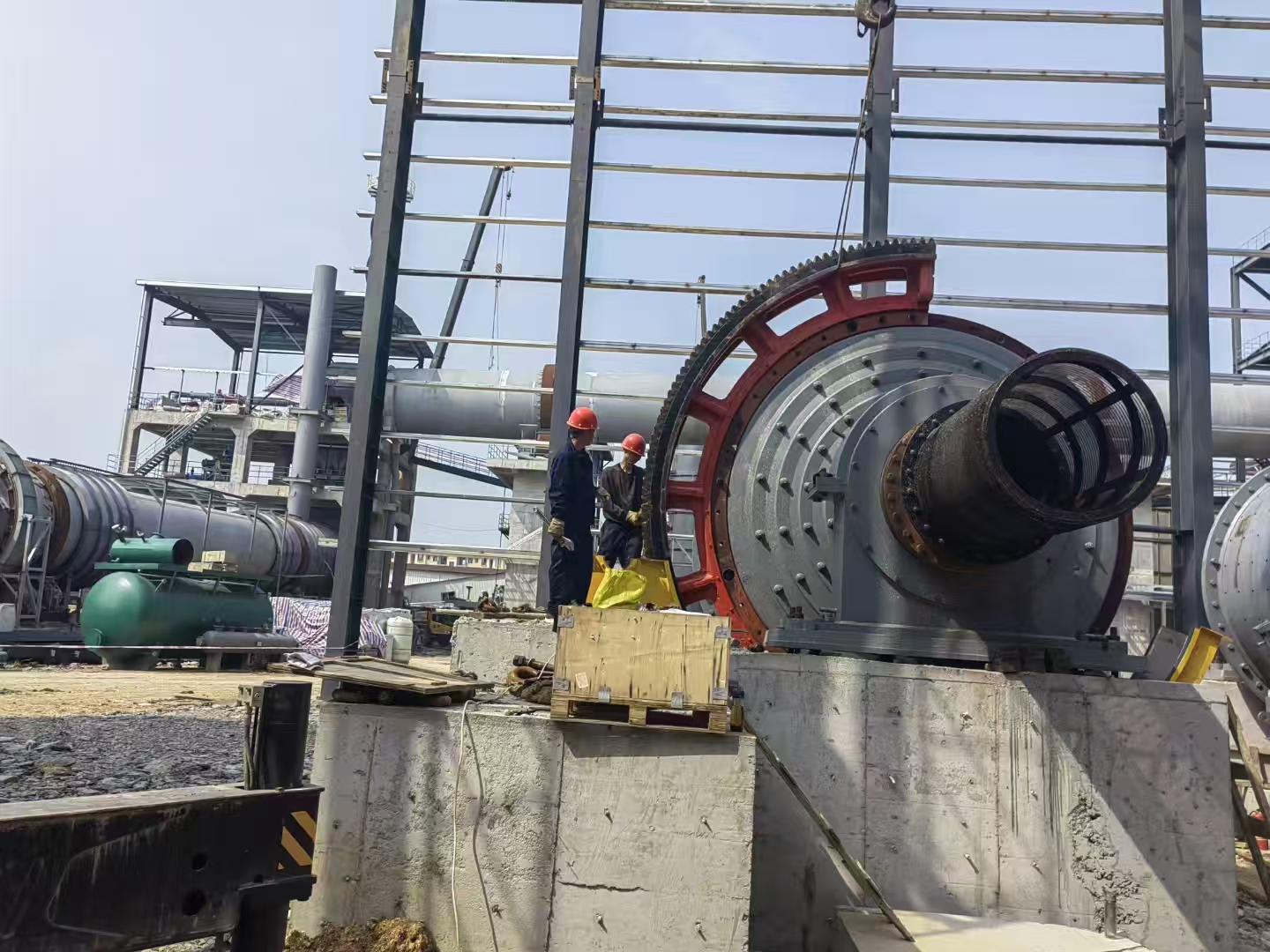
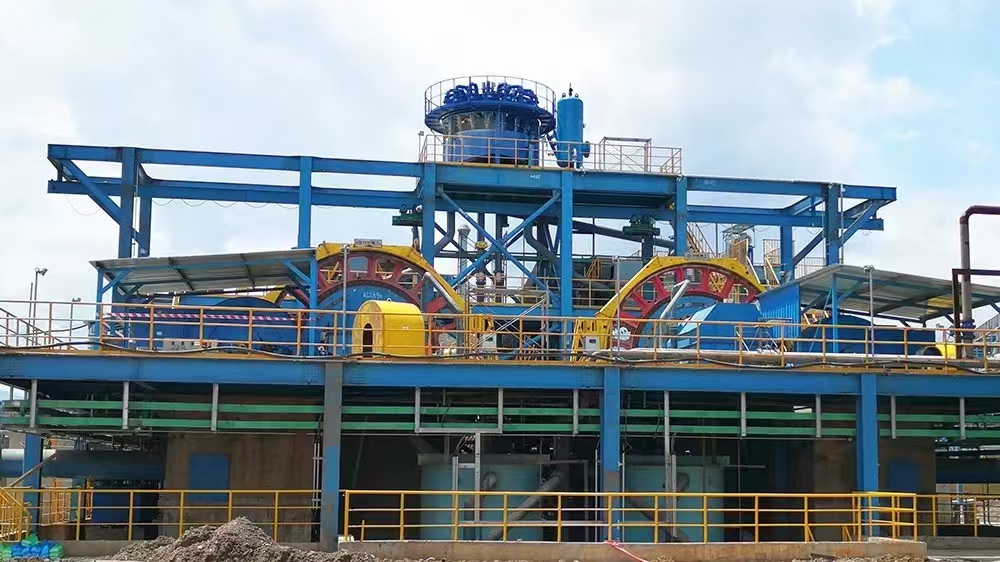
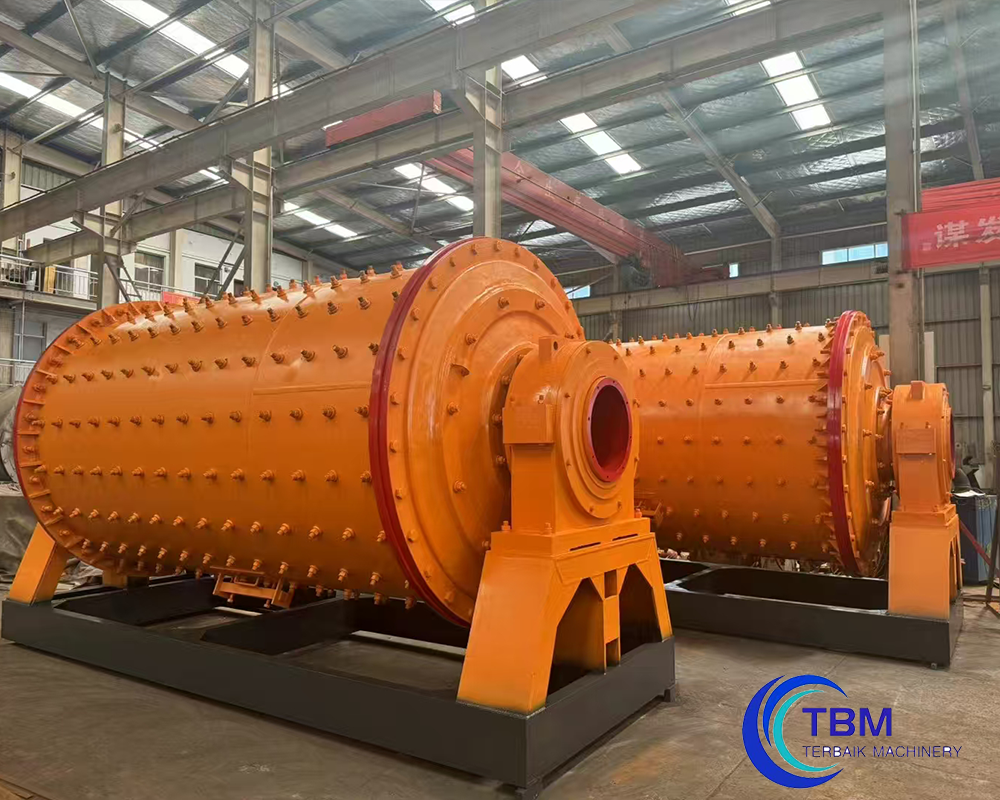
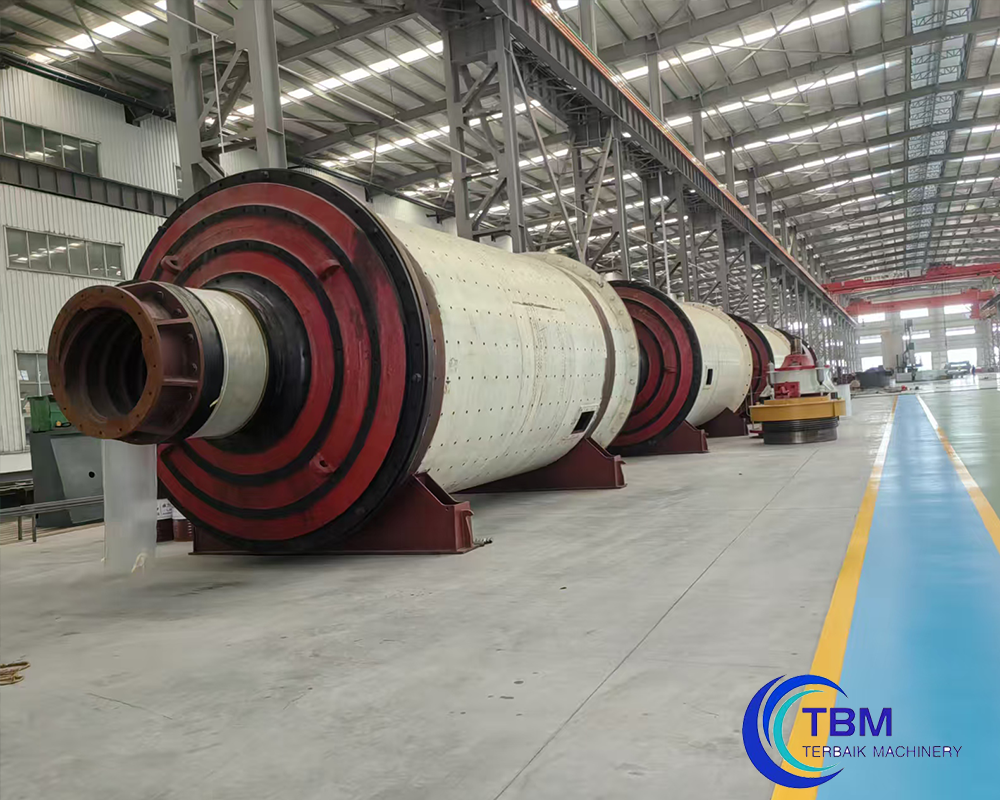
Grinding and classification section: ball mill+spiral classifier or hydraulic cyclone closed-loop grinding. Conventional grinding fineness of lead zinc sulfide ore -200 mesh accounts for 65% -75%; Fine grained refractory lead-zinc ore -200 mesh accounts for 80% -90%; The mixed concentrate is finely ground to a fineness of over 90% within 200 mesh, breaking the intergrowth of lead and zinc minerals and creating conditions for lead and zinc separation.
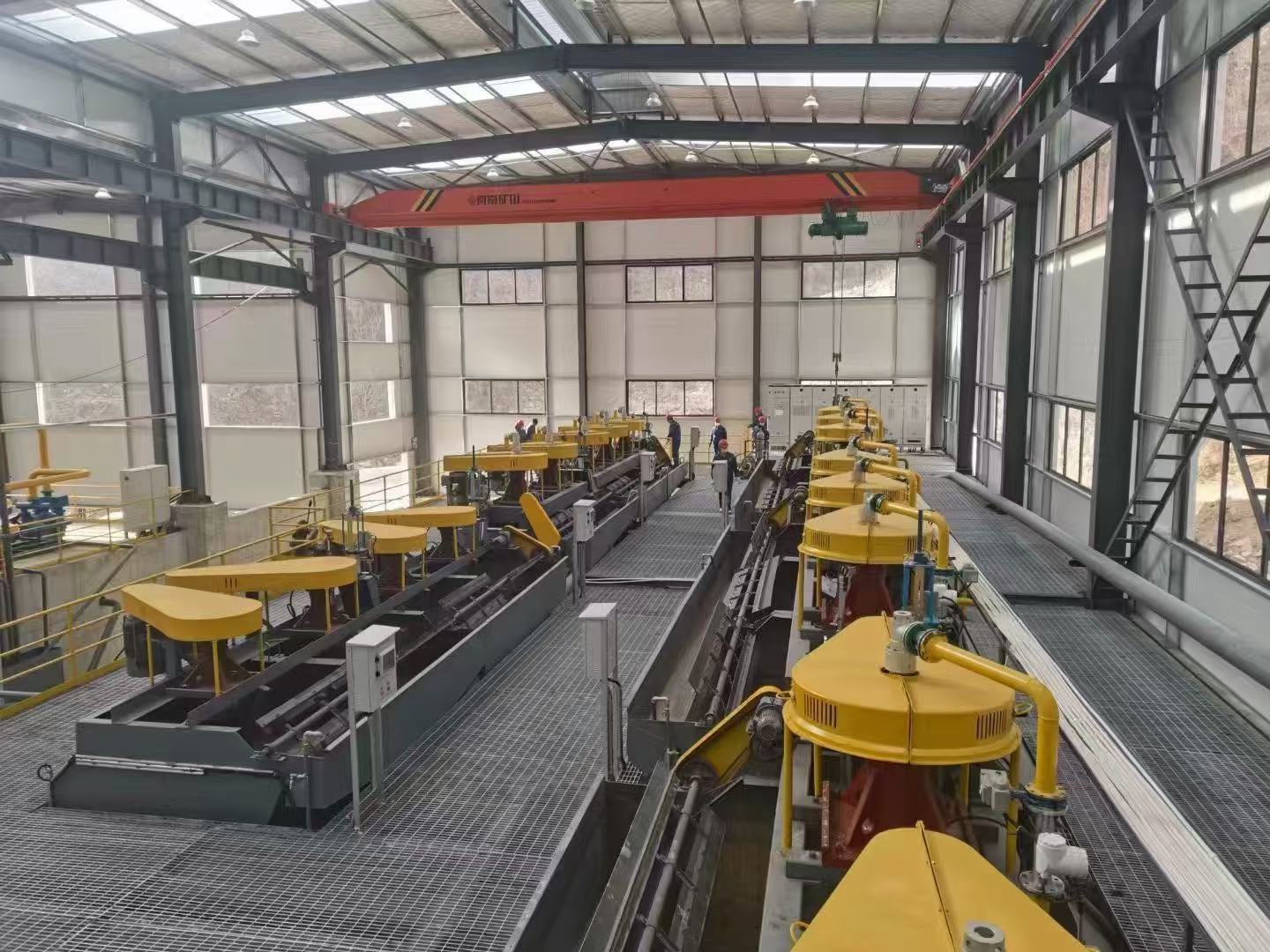
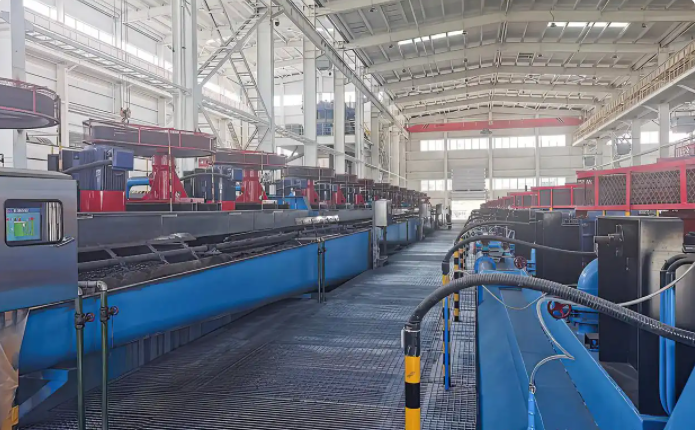
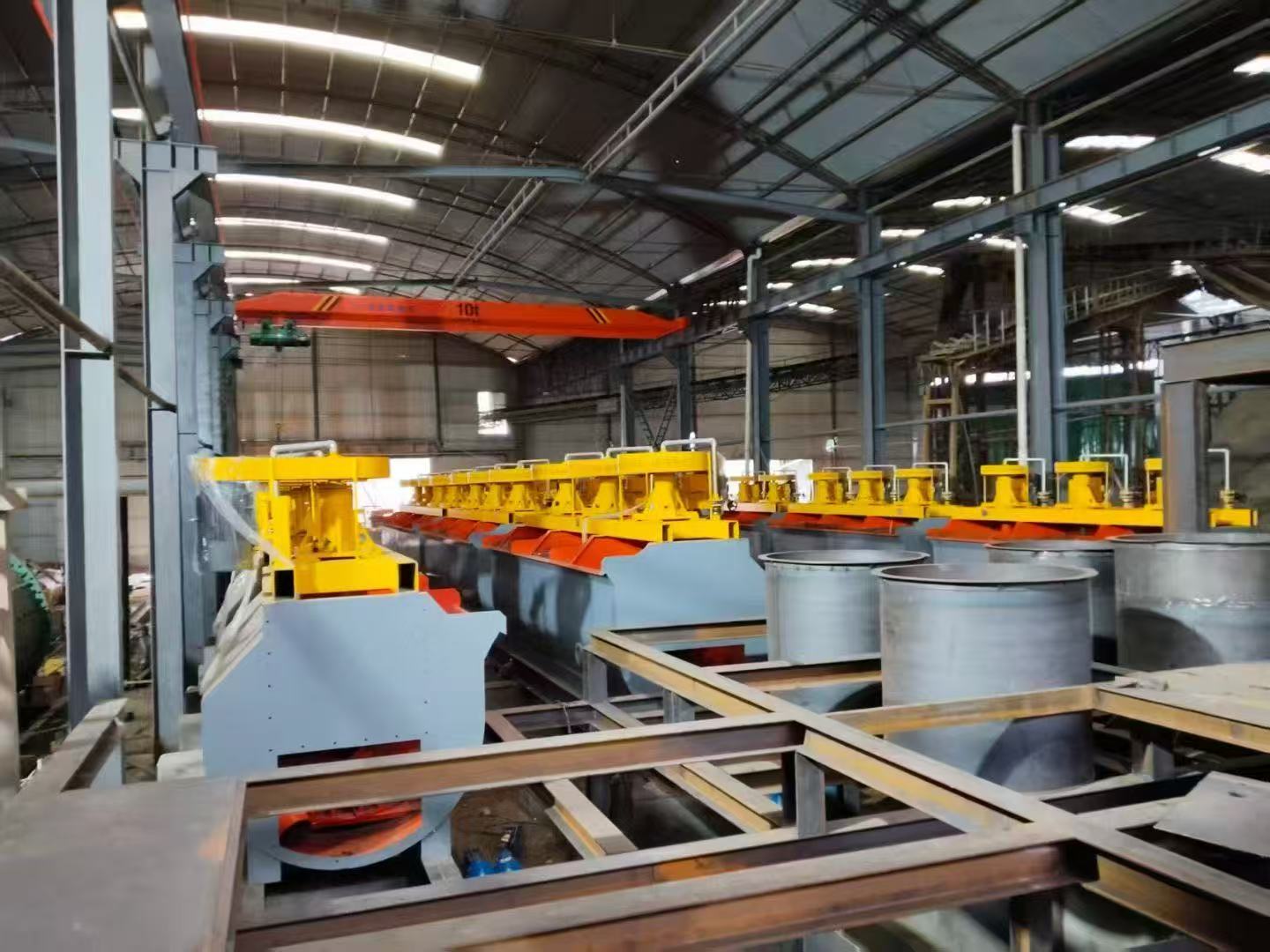
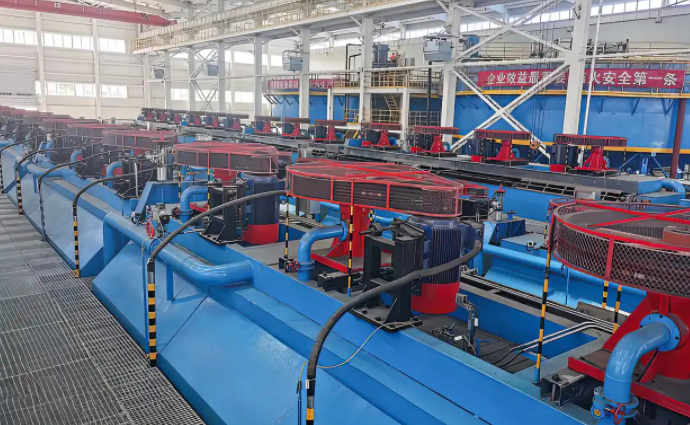
Flotation equipment: XCF/KYF inflatable flotation machines are preferred, and large mines use large flotation tanks to reduce unit energy consumption; Use a large volume flotation machine for coarse scanning and a small flotation machine for fine selection. The equipment for re selection of lead zinc oxide ore is equipped with a shaking table and a spiral chute.
Dehydration section: Lead concentrate and zinc concentrate are first concentrated by a concentrator, and then filtered by a plate and frame filter press. The final moisture content of the concentrate is controlled at 10-12% to meet sales standards. After concentration, the tailings are transported to the tailings pond for storage.
5、 Common production difficulties, causes, and solutions for improving quality and efficiency
Problem 1: Excessive zinc content in lead concentrate, high lead content in zinc concentrate, poor lead zinc separation effect
Main causes: activation of sphalerite by copper ions in the slurry, failure to dissociate coarse mineral intergrowths during grinding, and insufficient use of inhibitors.
Solution: Increase the dosage of sodium sulfite to eliminate copper ion activation; Improve grinding fineness; Selected homework supplemented with zinc sulfate inhibitor; Reduce the dosage of yellow medicine appropriately during lead flotation to enhance the selectivity of the reagents. By optimizing, the zinc content in lead concentrate can generally be reduced to below 2.5%, and the lead content in zinc concentrate can be controlled within 1.5% to meet the market sales grade.
Copper is one of the most abundant metals in the Earth's crust, primarily found in sulfide and oxide ores. Common copper minerals include chalcopyrite, chalcocite, bornite, and cuprite, distributed across various geological settings worldwide.
Primary crushing using jaw crusher to reduce large ore chunks to appropriate sizes for subsequent grinding operations.
Ball mill further grinds the crushed ore into fine powder to ensure adequate liberation of copper minerals for flotation.
Spiral classifier classifies grinding products by particle size, ensuring the flotation feed meets optimal size requirements.
Flotation machine separates copper minerals from gangue, producing high-grade copper concentrate with high recovery rates.
This solution has helped us significantly improve copper concentrate grade while effectively reducing production costs. The equipment operates stably and reliably with easy maintenance, greatly enhancing our production efficiency.